Introduction to Lava Lamp Science Experiment
In a world where creativity meets education, the Lava Lamp Science Experiment stands out as a delightful way to engage both kids and adults alike. This fun project not only brightens up your home but also serves as a fantastic learning opportunity about density and chemical reactions. Whether you’re a busy mom looking for a quick activity to entertain your children or a professional seeking a creative outlet, this experiment is perfect for you.
With just a few simple household materials, you can create a mesmerizing lava lamp that will captivate everyone’s attention! I remember the first time I tried this experiment with my kids; the excitement in the room was palpable. We gathered our materials, and as we mixed the ingredients, I could see their curiosity growing. It was a beautiful reminder of how science can be both fun and educational.
As a busy mom, I often find myself juggling multiple tasks, but this DIY project is a perfect way to carve out a little time for creativity. It’s quick, easy, and the results are simply stunning! Plus, it’s a wonderful opportunity to bond with your children while teaching them about the fascinating world of science. So, let’s dive into this colorful adventure and create our very own lava lamp!
Why You’ll Love This Lava Lamp Science Experiment
The Lava Lamp Science Experiment is a wonderful blend of creativity, affordability, and simplicity. As a busy mom, I truly appreciate activities that can be done quickly without breaking the bank. This project allows you to explore scientific principles while having fun, making it an ideal activity for both busy moms and professionals like myself.
One of the best parts? It takes just 15 minutes from start to finish! I remember one rainy afternoon when my kids were restless. We decided to dive into this experiment, and within minutes, we were all captivated by the colorful bubbles dancing in the bottle. It was a delightful way to spend time together, and I loved how it sparked their curiosity about science.
Not only is this project low-cost, but it also encourages learning in a playful way. I’ve found that when my children are engaged in hands-on activities, they absorb information much better. The excitement of watching the bubbles rise and fall is a fantastic way to introduce concepts like density and chemical reactions without it feeling like a chore.
So, if you’re looking for a quick, educational, and fun activity to do with your kids, this lava lamp experiment is the perfect choice. It’s a simple reminder that science can be both entertaining and enlightening, and I can’t wait for you to experience the joy it brings!
Materials Needed for Lava Lamp Science Experiment
To create your own lava lamp, gather the following materials:
- Clear plastic bottle (1): This will be the main container for your lava lamp.
- Water (1 cup): Acts as the base for the lava lamp.
- Vegetable oil (2 cups): Creates the lava effect due to its lower density compared to water.
- Food coloring (a few drops): Adds vibrant colors to your lava lamp.
- Alka-Seltzer tablets (2-3): Causes the bubbling reaction that creates the lava effect.
As I gathered these materials, I was reminded of how easy it is to create something magical with just a few simple items from around the house. I often find that the best projects are the ones that don’t require a trip to the craft store. This experiment is a perfect example of that!
When I first did this with my kids, we had a blast picking out our favorite colors of food coloring. It was a delightful moment to see their creativity shine as they mixed and matched colors. I encourage you to let your children choose their colors too; it adds a personal touch to the project!
And don’t worry if you don’t have Alka-Seltzer on hand; you can often find it at your local grocery store. Just remember, the magic happens when you combine these materials, so make sure to have everything ready before you start. For a printable full list of materials, see below.
Tools Required for Lava Lamp Science Experiment
Before you start, make sure you have the following tools on hand:
- Measuring cup: For accurately measuring water and oil.
- Funnel: Helps pour the oil into the bottle without spills.
- Stirring stick or spoon: For mixing the food coloring into the water.
These tools are easy to find around the house, making this experiment even more convenient! I remember the first time I gathered everything for this project; I was pleasantly surprised at how little I needed. It felt like a treasure hunt in my own kitchen!
Using a measuring cup is essential for getting the right amounts of water and oil. I’ve learned that precision can make a big difference in how the lava lamp turns out. The funnel is a lifesaver, especially if you’re like me and tend to spill things when pouring. It keeps the process neat and tidy, which is a huge plus when you’re crafting with kids!
And don’t underestimate the importance of a good stirring stick or spoon. I’ve used everything from wooden spoons to chopsticks, and they all work just fine. The key is to mix the food coloring well into the water so that the colors pop when you add the Alka-Seltzer. Trust me, the more vibrant the colors, the more mesmerizing the lava lamp will be!
So gather these tools, and let’s get ready to create some colorful magic together!
How to Make Lava Lamp Science Experiment
Follow these simple steps to create your own lava lamp:
- Fill the plastic bottle with water until it is about one-quarter full.
- Pour vegetable oil into the bottle until it is almost full, leaving some space at the top.
- Add a few drops of food coloring to the bottle. Choose your favorite color or mix different colors for a unique effect!
- Wait for the oil and water to separate completely. This may take a minute or two.
- Break an Alka-Seltzer tablet into smaller pieces and drop one piece into the bottle.
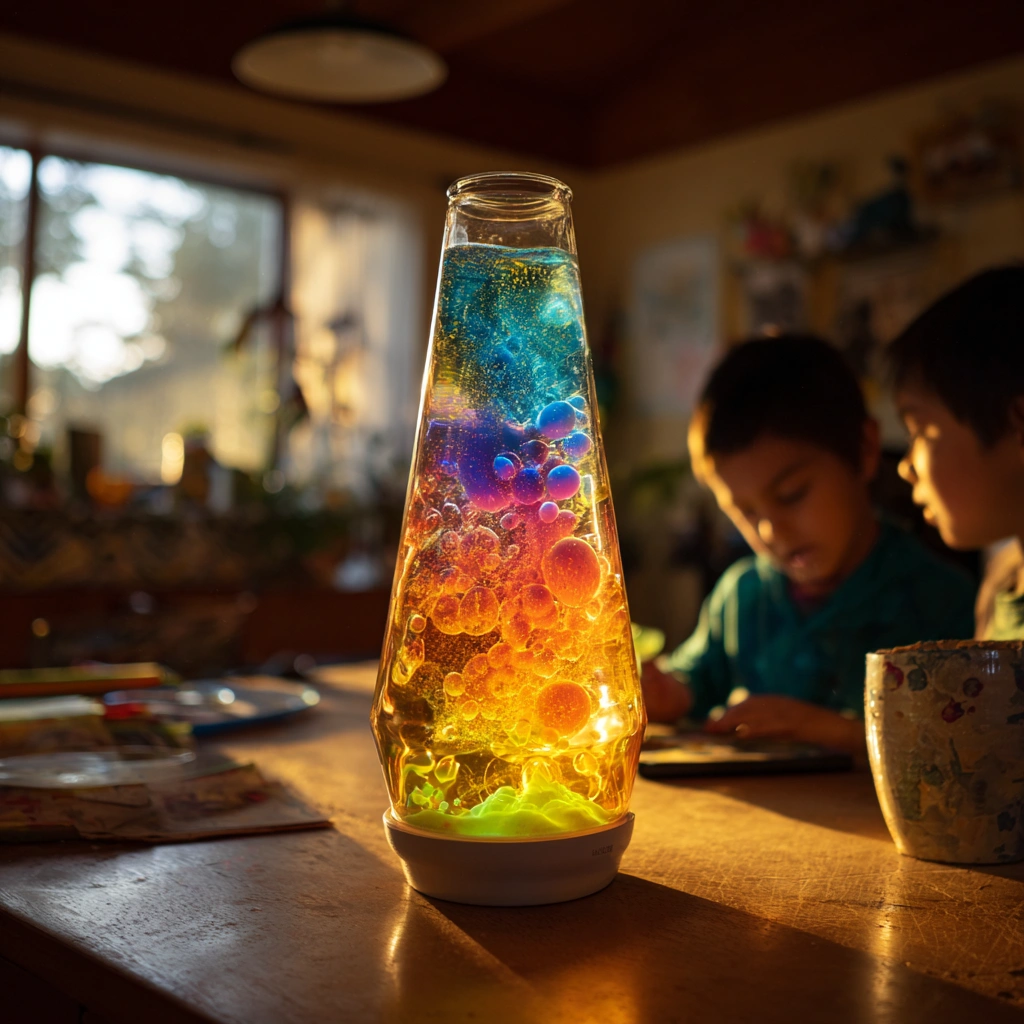
- Watch as the colored bubbles rise and fall, creating a lava lamp effect! Enjoy the mesmerizing display!
As I embarked on this project with my kids, I was reminded of the joy that simple experiments can bring. The anticipation as we waited for the oil and water to separate was palpable! I remember my daughter’s eyes lighting up as the first bubble of color burst forth. It was a moment of pure magic, and I hope you experience the same joy!
Don’t worry if things don’t go perfectly the first time. I’ve had my share of crafting mishaps, like accidentally pouring too much oil or forgetting to break the Alka-Seltzer tablet. Each mistake taught me something new, and that’s the beauty of crafting—it’s all about learning and having fun!
Tips for Best Results
To ensure you get the most out of your Lava Lamp Science Experiment, consider these practical tips:
- Experiment with different colors of food coloring for unique effects. I love mixing colors to create vibrant combinations that really pop! My kids enjoy choosing their favorite colors, and it adds a personal touch to each lava lamp.
- Use a flashlight to enhance the visual effect of the lava lamp. When we turned off the lights and shone a flashlight on our creation, it transformed into a mesmerizing display that captivated everyone in the room. It’s a simple trick that makes the experience even more magical!
- Make sure to use a clear bottle for the best visibility. I’ve tried using colored bottles before, and while they look pretty, nothing compares to the clarity of a clear bottle. It allows you to fully appreciate the colorful bubbles as they rise and fall.
- If the reaction slows down, simply add another piece of Alka-Seltzer to reignite the bubbles. I’ve found that sometimes the excitement can wane as the reaction slows, but a quick addition of Alka-Seltzer brings the fun back to life! It’s a great way to keep the kids engaged and entertained.
These tips have helped me create the most stunning lava lamps, and I hope they inspire you too! Remember, crafting is all about exploration and creativity, so don’t hesitate to try new things. Each experiment is a chance to learn and have fun, and I can’t wait for you to see the beautiful results!
Project Variations
Get creative with your Lava Lamp Science Experiment by trying out these fun variations:
- Style Variations: Use different types of bottles, such as mason jars or soda bottles, for varied looks. I remember the first time we used a mason jar; it gave our lava lamp a rustic charm that was simply delightful! Each bottle brings its own personality to the project, and it’s a great way to repurpose items you already have at home.
- Color Changes: Mix multiple colors of food coloring for a rainbow effect. My kids love experimenting with different combinations, and it’s fascinating to see how the colors blend and create new shades. It’s like a mini art project within the science experiment, and the results are always stunning!
- Seasonal Adaptations: Create themed lava lamps for holidays by using colors like red and green for Christmas or orange and black for Halloween. I’ve found that making seasonal lava lamps adds an extra layer of fun to our crafting sessions. It’s a wonderful way to celebrate the holidays and engage the kids in festive activities!
These variations not only keep the project fresh and exciting but also encourage creativity and exploration. I love how each twist on the original experiment can lead to new discoveries and delightful surprises. So gather your materials, let your imagination run wild, and enjoy the process of creating something uniquely yours!
Decoration and Usage Ideas
Once your Lava Lamp Science Experiment is complete, consider these creative ideas for decoration and usage:
- Display it on a desk or shelf as a colorful decoration. I love placing our lava lamp in my home office; it adds a vibrant touch and serves as a great conversation starter when friends come over. The gentle bubbling effect creates a soothing atmosphere that helps me focus while I work!
- Use it as a nightlight in a child’s room for a calming effect. My kids adore having their lava lamp on at night. The soft glow and mesmerizing movement of the bubbles create a peaceful ambiance that helps them drift off to sleep. It’s a wonderful alternative to harsh overhead lights!
- Incorporate it into a science-themed party as an engaging activity for guests. I once hosted a birthday party for my son, and we set up a lava lamp station where kids could create their own. It was a hit! Watching their faces light up as they made their own colorful creations was priceless.
- Gift it to friends or family as a fun and educational present. I’ve found that homemade gifts carry a special charm. When I gifted a lava lamp to my niece, she was thrilled! It’s a unique way to share the joy of science and creativity with loved ones.
These ideas not only enhance the enjoyment of your lava lamp but also allow you to share the fun with others. I cherish the moments spent crafting with my kids, and I hope you find joy in decorating and using your lava lamp in creative ways too. Let your imagination shine, and enjoy the colorful journey ahead!
FAQs about Lava Lamp Science Experiment
Q: Can I use other types of oil?
A: While vegetable oil works best, you can experiment with other oils like canola or baby oil. I’ve tried both, and they all create a lovely lava effect! Just remember that the key is to use an oil that has a lower density than water to achieve that mesmerizing bubble action.
Q: Is this experiment safe for young children?
A: Yes, but adult supervision is recommended, especially when handling Alka-Seltzer tablets. I always make sure to keep the tablets out of reach until we’re ready to use them. It’s a great opportunity to teach kids about safety while having fun!
Q: How long will the lava lamp last?
A: The reaction will last as long as you keep adding Alka-Seltzer. Once the reaction stops, you can store it for later use. I’ve found that it’s fun to revisit our lava lamp days later and reignite the bubbles with a fresh tablet. It’s like bringing the magic back to life!
Final Thoughts
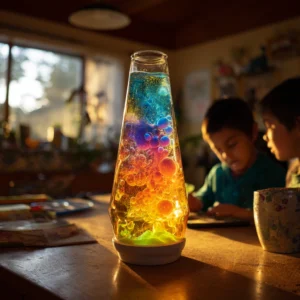
The Lava Lamp Science Experiment is not just a fun activity; it’s a wonderful way to bond with your children while exploring the fascinating world of science. I can’t tell you how many times I’ve seen the joy on my kids’ faces as they watch the colorful bubbles rise and fall. It’s a beautiful reminder of the joy of creativity and learning.
As a busy mom, I cherish these moments where we can step away from our hectic schedules and dive into something magical together. Crafting has a way of bringing us closer, and this experiment is the perfect blend of fun and education. I encourage you to gather your materials, set aside a little time, and dive into this exciting project.
Not only will you create a beautiful lava lamp, but you’ll also be making lasting memories with your loved ones. I still remember the laughter and excitement that filled our home during our lava lamp sessions, and I hope you experience the same joy!
So, let your creativity flow, embrace the little mishaps along the way, and enjoy every moment of this colorful adventure. Happy crafting!
Print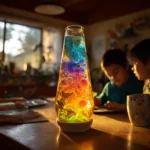
Lava Lamp Science Experiment: Create Your Own Fun!
Description
The Lava Lamp Science Experiment allows you to create a fun and colorful lava lamp using simple household materials, demonstrating the principles of density and chemical reactions.
Instructions
- Fill the plastic bottle with water until it is about one-quarter full.
- Pour vegetable oil into the bottle until it is almost full, leaving some space at the top.
- Add a few drops of food coloring to the bottle.
- Wait for the oil and water to separate completely.
- Break an Alka-Seltzer tablet into smaller pieces and drop one piece into the bottle.
- Watch as the colored bubbles rise and fall, creating a lava lamp effect!
Keywords: Lava Lamp, Science Experiment, DIY, Kids Activity, Educational Fun