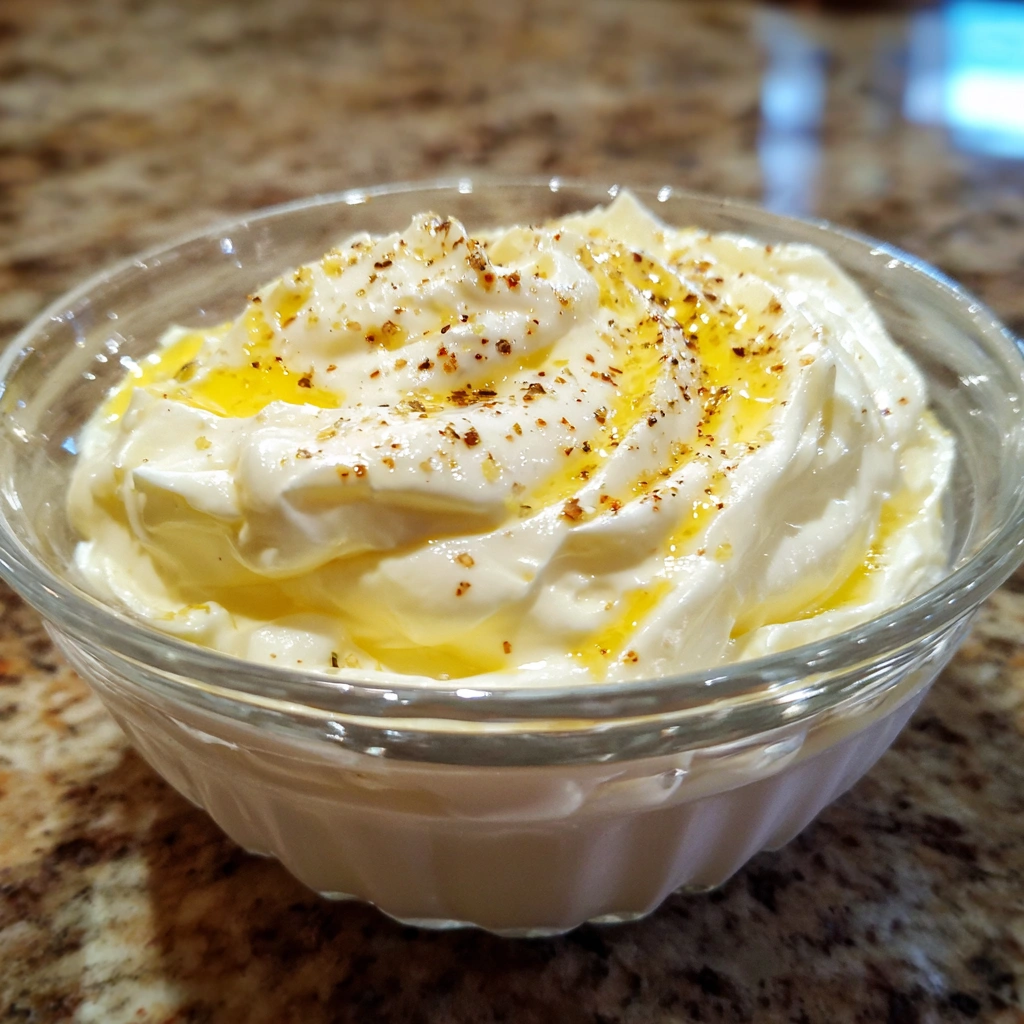
Homemade Mayonnaise: Creamy, Dreamy Bliss Awaits!
Sensory-Rich Introduction with Immediate Craving
Imagine a dollop of silky, creamy mayonnaise gliding across your favorite sandwich, its rich, tangy flavor awakening your taste buds with every bite. The moment you spread it on a fresh baguette or mix it into a vibrant potato salad, you’re transported to a world of culinary delight. This homemade mayonnaise is not just a condiment; it’s a celebration of flavor and texture that elevates any dish. I remember the first time I made it in my kitchen, the thrill of watching the ingredients transform into a luscious sauce was nothing short of magical. Perfect for summer picnics, family gatherings, or simply a cozy night in, this mayonnaise is a versatile staple that brings joy to every occasion.
Why You’ll Love This Homemade Mayonnaise
- Texture Contrast: The creamy, smooth consistency of homemade mayonnaise contrasts beautifully with crunchy vegetables and crispy bread, enhancing your meals.
- Flavor Balance: With a perfect blend of tanginess from vinegar and richness from oil, this mayonnaise adds depth to any dish without overpowering it.
- Versatility: Use it as a base for dressings, dips, or spreads, making it adaptable for various cuisines and occasions.
- Ease of Preparation: In just 10 minutes, you can whip up a fresh batch with minimal effort, making it a quick solution for last-minute meals.
- Universal Appeal: Loved by both kids and adults, this mayonnaise is a crowd-pleaser that complements a wide range of dishes, from sandwiches to salads.
Essential Tools & Preparation Strategy
- Immersion Blender: This tool is crucial for achieving a smooth and creamy texture quickly, making the emulsification process effortless.
- Tall Container: A narrow container helps create the ideal environment for emulsification, ensuring all ingredients blend seamlessly.
- Measuring Spoons: Accurate measurements are key to achieving the perfect balance of flavors.
- Whisk (optional): If you prefer a more traditional method, a whisk can be used to make mayonnaise by hand, though it requires more effort.
- Spatula: Essential for scraping down the sides of the container to ensure all ingredients are well incorporated.
- Airtight Jar: Necessary for storing your homemade mayonnaise safely in the fridge, keeping it fresh for longer.
Ingredients & Their Roles in This Homemade Mayonnaise
- 1 large egg (room temperature): Acts as the emulsifier, binding the oil and vinegar together for a creamy texture.
- 1 tablespoon Dijon mustard: Adds a subtle tang and depth of flavor, enhancing the overall taste.
- 1 tablespoon white wine vinegar: Provides acidity, balancing the richness of the oil and egg.
- 1 cup neutral oil (like canola or grapeseed): The base of the mayonnaise, contributing to its creamy consistency without overpowering flavors.
- Salt to taste: Enhances the flavors and ensures the mayonnaise is well-seasoned.
- Fresh lemon juice (optional): Adds brightness and a fresh zing, perfect for those who enjoy a citrusy twist.
Step-by-Step Guide to Perfect Homemade Mayonnaise
- Combine Ingredients: In a tall, narrow container, add the room temperature egg, Dijon mustard, and white wine vinegar.
- Blend: Using an immersion blender, blend the mixture on high speed for about 10 seconds until well combined.
- Add Oil Gradually: With the blender running, slowly drizzle in the oil, starting with just a few drops and gradually increasing to a thin stream.
- Emulsify: Continue blending until the mayonnaise thickens and emulsifies, which should take about 1-2 minutes.
- Season: Add salt and lemon juice to taste, blending briefly to combine.
- Store: Transfer the mayonnaise to a clean jar and refrigerate immediately to maintain freshness.
Chef’s Notes & Pro Tips for Flawless Results
- Make-ahead: You can prepare mayonnaise up to one week in advance, making it a convenient option for meal prep.
- Storage: Keep your homemade mayonnaise in an airtight container in the fridge for up to one week to ensure it stays fresh.
- Equipment Recommendations: An immersion blender is highly recommended for ease and speed, but a traditional whisk can also work if you have the patience.
- Customization Options: Feel free to experiment with different vinegars or add herbs and spices to create unique flavor profiles.
Avoid These Common Cooking Mistakes
- Using cold eggs: Cold eggs can prevent proper emulsification. Always use room temperature eggs for best results.
- Adding oil too quickly: This can cause the mayonnaise to break. Start with a few drops and gradually increase the oil flow.
- Not blending long enough: Insufficient blending can result in a runny texture. Blend until thick and creamy.
- Using the wrong type of oil: Strong-flavored oils can overpower the mayonnaise. Stick to neutral oils for the best flavor.
- Not seasoning properly: Mayonnaise can taste bland without enough salt. Adjust to your preference for a well-rounded flavor.
- Storing in a non-airtight container: This can lead to spoilage. Always use an airtight jar to keep your mayonnaise fresh.
- Not refrigerating promptly: Leaving mayonnaise out can lead to food safety issues. Refrigerate immediately after making.
Creative Variations & Customizations
- Herbed Mayonnaise: Add fresh herbs like dill or basil for a flavorful twist.
- Spicy Mayonnaise: Incorporate sriracha or cayenne pepper for a kick of heat.
- Garlic Aioli: Blend in minced garlic for a classic aioli flavor.
- Avocado Mayonnaise: Substitute half of the oil with ripe avocado for a creamy, nutritious alternative.
- Smoky Mayonnaise: Add smoked paprika for a unique, smoky flavor perfect for grilled dishes.
Perfect Pairings: What to Serve With Homemade Mayonnaise
- Sandwiches: Spread on any sandwich for a creamy texture and flavor boost.
- Salads: Use as a base for dressings, adding herbs and spices for variety.
- Vegetable Dips: Serve with fresh vegetables for a refreshing snack.
- Potato Salad: Mix into potato salad for a rich, creamy consistency.
- Grilled Meats: Pair with grilled meats as a zesty condiment.
- Deviled Eggs: Incorporate into deviled eggs for an extra layer of flavor.
- Coleslaw: Use in coleslaw for a creamy dressing.
- Fish Tacos: Top off fish tacos for a delightful twist.
Storage & Meal Prep Instructions
- Fridge Storage: Store homemade mayonnaise in an airtight container in the refrigerator for up to one week.
- Freezer Storage: While mayonnaise can be frozen, it may change in texture. It’s best enjoyed fresh.
- Reheating Methods: There’s no need to reheat mayonnaise; simply use it cold or at room temperature.
Nutrition Facts & Health Insights
| Nutrient | Amount per Serving (1 tablespoon) |
|---|---|
| Calories | 94 |
| Sugar | 0 grams |
| Sodium | 50 milligrams |
| Fat | 10 grams |
| Saturated Fat | 1 gram |
| Unsaturated Fat | 9 grams |
| Trans Fat | 0 grams |
| Carbohydrates | 0 grams |
| Fiber | 0 grams |
| Protein | 0 grams |
| Cholesterol | 37 milligrams |
Health Benefits: The key ingredients in homemade mayonnaise, such as eggs and healthy oils, provide essential fatty acids and nutrients, making it a more wholesome choice compared to store-bought versions.
Frequently Asked Questions
- Can I use olive oil instead of neutral oil?Yes, but be aware that it will impart a stronger flavor.
- What if my mayonnaise doesn’t thicken?It may be due to cold ingredients or adding oil too quickly. Try blending longer or starting over with room temperature ingredients.
- Can I make mayonnaise without an immersion blender?Yes, you can use a whisk, but it will require more effort and time.
- How can I adjust the flavor?Experiment with different vinegars, mustards, or add-ins like garlic or herbs.
- Is it safe to eat homemade mayonnaise?Yes, as long as you use fresh, properly stored ingredients and refrigerate it promptly.
- Can I use egg substitutes?Yes, but the texture and flavor may differ. Look for egg replacers designed for emulsification.
- How do I know if my mayonnaise has gone bad?If it smells off or shows signs of mold, discard it immediately.
- Can I double the recipe?Yes, just ensure your container is large enough to accommodate the increased volume.
Final Inspiration & Kitchen Confidence
Now that you’ve mastered the art of homemade mayonnaise, let your culinary creativity flow! Celebrate your achievements in the kitchen by experimenting with flavors and pairings. Remember, every great chef started with a single recipe, and with each attempt, you’ll gain confidence and skill. So grab your ingredients, fire up that immersion blender, and enjoy the creamy, dreamy bliss of homemade mayonnaise!
Print
Homemade Mayonnaise: Creamy, Dreamy Bliss Awaits!
- Total Time: 10 minutes
- Yield: 1 cup 1x
- Diet: Gluten-Free
Description
Homemade mayonnaise is a silky, creamy condiment that envelops your palate with its rich, tangy flavor. The smooth texture glides effortlessly, making it a perfect addition to sandwiches, salads, and dips.
Ingredients
- 1 large egg (room temperature)
- 1 tablespoon Dijon mustard
- 1 tablespoon white wine vinegar
- 1 cup neutral oil (like canola or grapeseed)
- Salt to taste
- Fresh lemon juice (optional, to taste)
Instructions
- In a tall, narrow container, combine the egg, Dijon mustard, and white wine vinegar.
- Using an immersion blender, blend the mixture on high speed for about 10 seconds until well combined.
- With the blender running, slowly drizzle in the oil, starting with just a few drops and gradually increasing to a thin stream.
- Continue blending until the mayonnaise thickens and emulsifies, about 1-2 minutes.
- Add salt and lemon juice to taste, blending briefly to combine.
- Transfer the mayonnaise to a clean jar and refrigerate immediately.
Notes
- Make-ahead: Mayonnaise can be made up to one week in advance and stored in the refrigerator.
- Storage: Keep in an airtight container in the fridge for up to 1 week.
- Substitutions: Use apple cider vinegar instead of white wine vinegar for a different flavor profile.
- Prep Time: 10 minutes
- Cook Time: 0 minutes
- Category: Condiment
- Method: Blending
- Cuisine: American
Nutrition
- Serving Size: 1 tablespoon
- Calories: 94
- Sugar: 0 grams
- Sodium: 50 milligrams
- Fat: 10 grams
- Saturated Fat: 1 gram
- Unsaturated Fat: 9 grams
- Trans Fat: 0 grams
- Carbohydrates: 0 grams
- Fiber: 0 grams
- Protein: 0 grams
- Cholesterol: 37 milligrams
Keywords: Homemade Mayonnaise, creamy mayonnaise, easy mayonnaise recipe, homemade condiments, mayonnaise recipe, egg-based mayonnaise, emulsified sauce, DIY mayonnaise, quick mayonnaise, tangy mayonnaise, homemade sauces, kitchen staples, mayonnaise tips, mayonnaise storage, mayonnaise variations