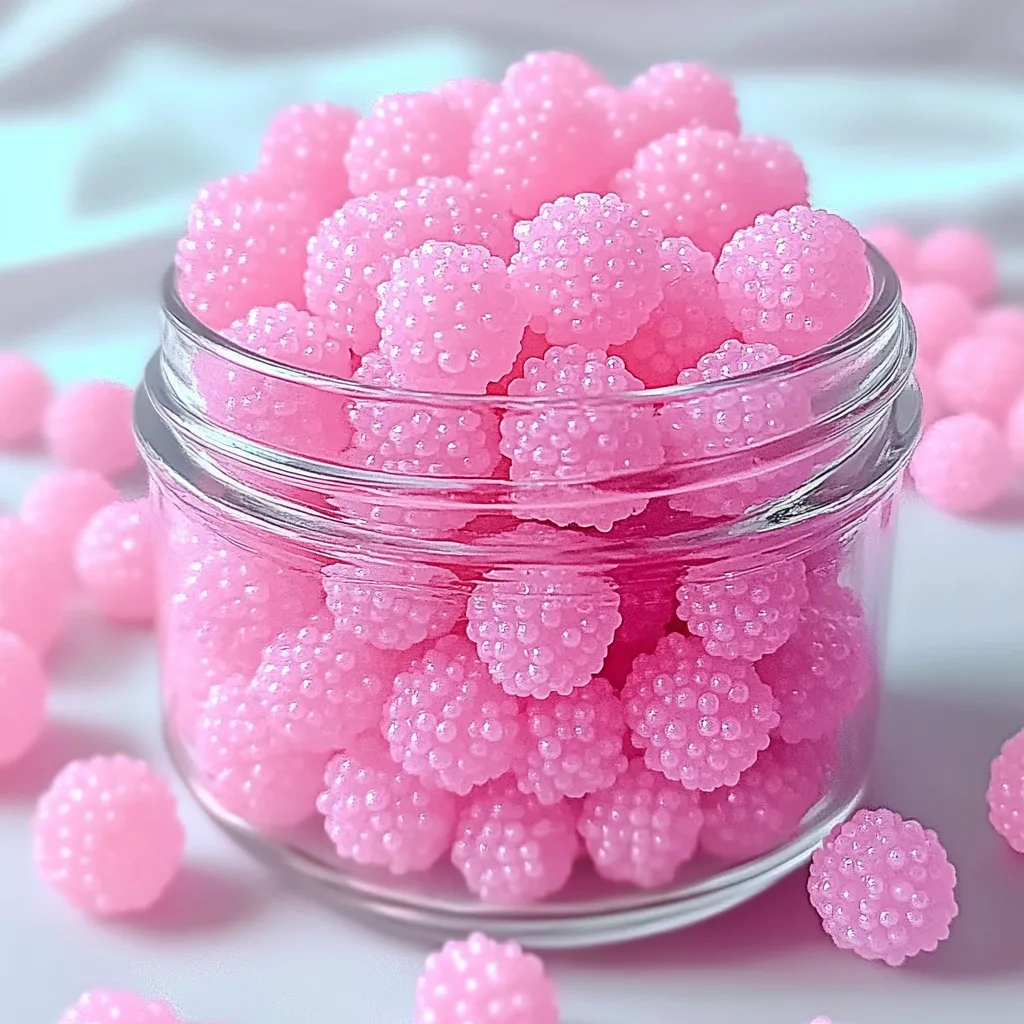
Bubble gum is one of those timeless sweets that transcends age. Whether you remember it from childhood as a favorite after-school snack, or you still enjoy it today for the fun of blowing bubbles, bubble gum holds a special place in the world of confectionery. While most of us are accustomed to buying gum in shiny wrappers from the store, few realize how easy—and fun—it is to make at home.
Creating homemade bubble gum allows you to experiment with flavors, colors, and textures. It also offers a hands-on activity that’s perfect for families, aspiring candy-makers, or anyone curious about the science of sweets. This article will guide you through the process, share valuable tips, and provide all the details you need to succeed in making bubble gum from scratch.
Why Make Bubble Gum at Home?
At first glance, bubble gum might seem like something only candy factories can produce. However, homemade gum offers several unique advantages:
-
Personalization: You are in complete control of the flavor. Want classic bubblegum flavor? Easy. Prefer fruity options like cherry, watermelon, or mango? You can do that too. You can even mix flavors to create a one-of-a-kind chewing experience.
-
Educational Value: Making bubble gum is a fascinating science experiment. It involves sugar chemistry, temperature control, and texture transformation. Kids and adults alike can learn while having fun.
-
Nostalgia: Crafting gum at home brings back the magic of childhood. There’s something special about creating a treat from scratch that you usually only buy in a store.
-
Gift Potential: Homemade gum makes for a quirky and charming gift. Wrapped in wax paper or stored in jars, it’s perfect for party favors, holidays, or novelty presents.
Ingredients for Homemade Bubble Gum
The ingredients for bubble gum are surprisingly simple. Here’s what you’ll need:
-
White Granulated Sugar – Provides sweetness and structure.
-
Light Corn Syrup – Prevents crystallization and contributes to chewiness.
-
Water – Used to dissolve gelatin and form the syrup base.
-
Gelatin Powder – Gives the gum elasticity and chew.
-
Fine Salt – Enhances and balances flavor.
-
Powdered Sugar – Prevents sticking during kneading and shaping.
-
Food Coloring – Adds vibrant color (optional).
-
Flavor Extracts – Essential for creating bubblegum, mint, fruit, or other fun flavors.
Step-by-Step Directions
Follow these instructions carefully for the best results.
1. Prep the Gelatin
Sprinkle 1 tablespoon of gelatin powder over 1/4 cup of water in a small bowl. Let it sit for 5 minutes. This blooming process softens the gelatin, making it easier to incorporate into the syrup later.
2. Make the Syrup
In a saucepan, combine:
-
2 cups white sugar
-
1/2 cup light corn syrup
-
1/4 cup water
Stir gently over medium heat until the sugar fully dissolves.
3. Reach the Hard Crack Stage
Increase the heat to medium-high and bring the mixture to a boil. Using a candy thermometer, cook the syrup until it reaches 300°F. This is the “hard crack stage,” which ensures the gum will set properly while still being pliable.
4. Add Flavor and Color
Remove the saucepan from heat. Stir in:
-
The bloomed gelatin
-
1/4 teaspoon fine salt
-
Food coloring (if desired)
-
1 teaspoon flavor extract
Mix quickly, as the syrup will cool and harden fast.
5. Cool the Mixture
Pour onto a silicone mat or into a bowl lined with plastic wrap. Let it cool for 20–30 minutes, until firm enough to handle but not completely hard.
6. Knead the Gum
Dust your surface with powdered sugar. Knead the gum for 5–10 minutes, stretching and folding until it becomes smooth, elastic, and pliable.
7. Shape and Store
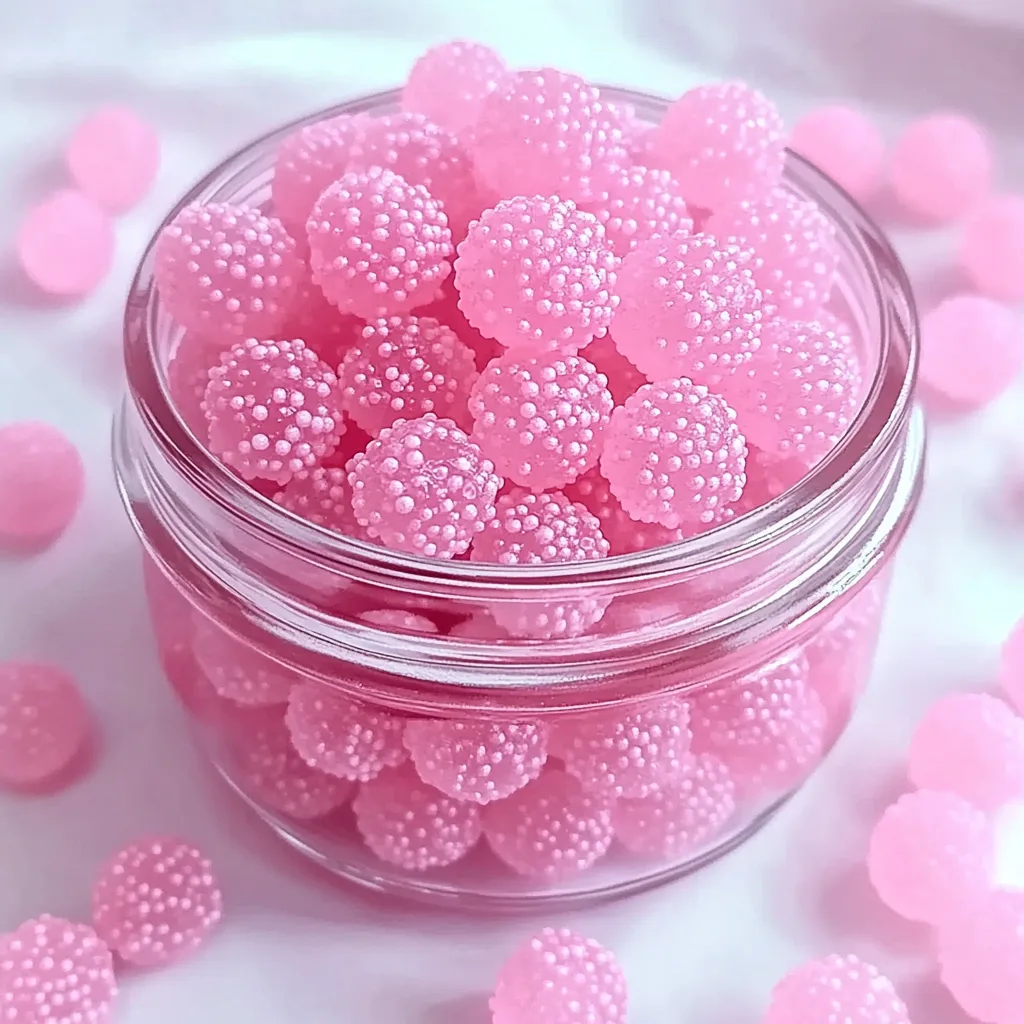
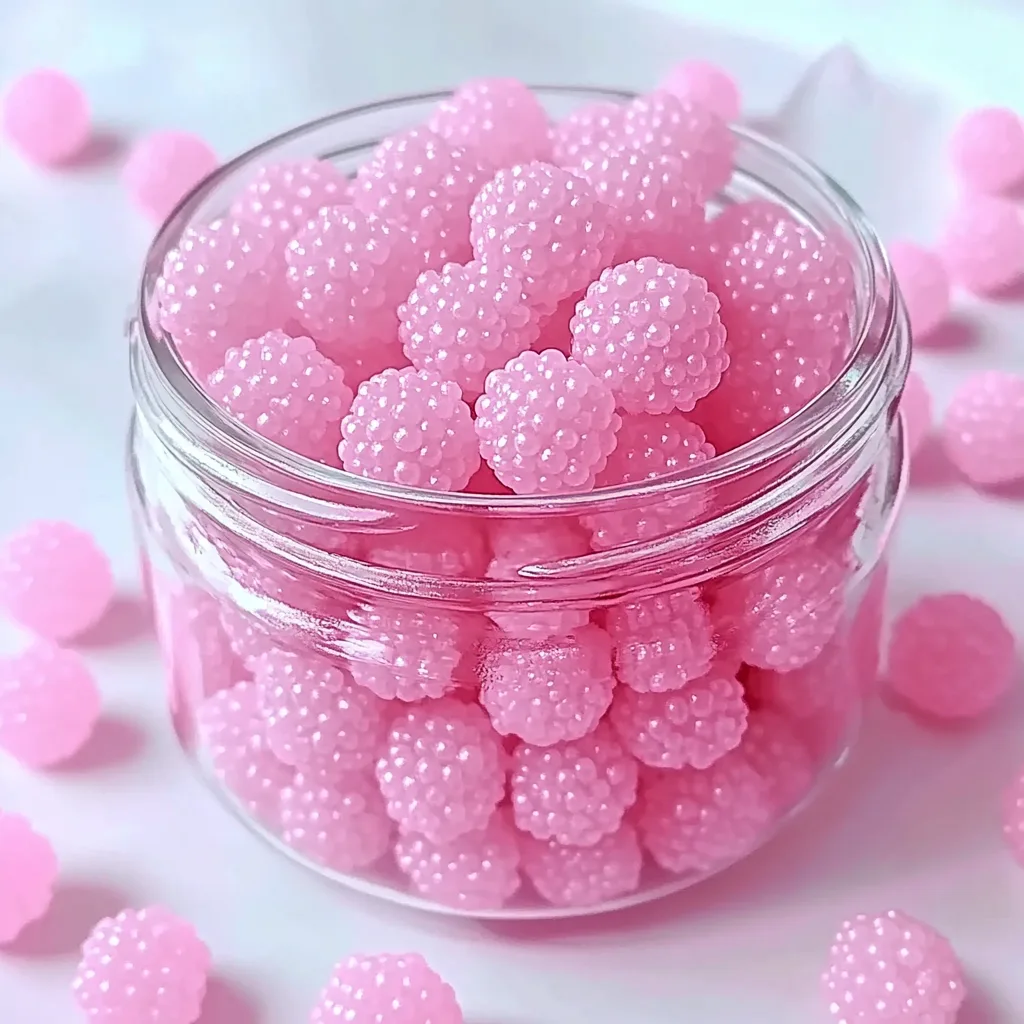
Roll the gum into balls, twist it into ropes, or flatten it into strips. Wrap in wax paper or store in an airtight container to keep fresh.
Tips for Success
-
Always use a candy thermometer. Temperature is critical when working with sugar.
-
Avoid overcooking the syrup—gum that gets too hot will turn brittle instead of chewy.
-
Powdered sugar is essential for kneading; without it, the mixture will stick to your hands and work surface.
-
Knead thoroughly for a smoother, more elastic chew.
Variations to Try
One of the best parts about making bubble gum at home is customizing it. Here are some ideas:
-
Classic Bubblegum: Use bubblegum extract and pink food coloring.
-
Fruity Fun: Try strawberry, orange, or blueberry extracts with matching colors.
-
Minty Fresh: Peppermint or spearmint extracts create refreshing gum.
-
Tropical Twist: Mix pineapple and coconut extracts for a tropical blend.
-
Color Play: Divide the mixture into portions and add different colors and flavors for a rainbow batch.
Serving Suggestions
Homemade bubble gum can be enjoyed right away or stored for later. Some fun serving ideas include:
-
Party Favors: Roll gum into small balls, wrap in colorful paper, and place in treat bags.
-
Candy Bar: Add homemade gum to a birthday or holiday candy spread.
-
Novelty Gift: Package gum in jars with personalized labels for a unique homemade present.
-
Themed Colors: Match gum colors to holidays—red and green for Christmas, pastel shades for Easter, or orange and black for Halloween.
Troubleshooting Common Problems
Problem: The gum is too hard.
Solution: You may have overcooked the syrup. Try removing it from the heat a few degrees earlier next time.
Problem: The gum is too sticky.
Solution: Use more powdered sugar when kneading. Also, ensure the gum cools long enough before handling.
Problem: The gum doesn’t blow bubbles.
Solution: It may need more kneading to develop elasticity. Warm the gum in your mouth slightly before trying again.
Problem: The flavor is weak.
Solution: Add a few more drops of extract, but don’t overdo it—some extracts are strong and can become bitter if too concentrated.
Prep, Cook, and Storage Details
-
Prep Time: 10 minutes
-
Cook Time: 20 minutes
-
Cooling & Kneading: 30–40 minutes
-
Total Time: About 1 hour
-
Storage: Keep in an airtight container or wrapped in wax paper for up to 4 weeks.
Nutritional Information (Approx. per piece)
-
Calories: 60
-
Sugar: 12g
-
Protein: 0g
-
Sodium: 5mg
Note: Actual nutrition may vary depending on portion size and flavoring choices.
Frequently Asked Questions
1. Can I make bubble gum without corn syrup?
Yes, but you’ll need another invert sugar substitute, such as glucose syrup or honey. The texture may differ.
2. Can I make sugar-free bubble gum?
Yes, but you’ll need to experiment with sugar substitutes like xylitol or erythritol. Keep in mind that these may alter the chewiness.
3. What is the difference between gum base and this recipe?
Commercial gum often uses a gum base for texture. This recipe uses gelatin and sugar chemistry to replicate chewiness at home.
4. How long will homemade bubble gum last?
If stored properly in airtight containers, it can last up to a month. After that, the gum may harden.
5. Why does my gum taste different from store-bought gum?
Store-bought gum contains specialized bases and preservatives. Homemade gum is simpler and fresher, with a flavor that’s unique and customizable.
The Science Behind Bubble Gum
Bubble gum making is as much science as it is art. Here’s a quick look at the chemistry:
-
Sugar Syrup: When sugar and corn syrup are cooked, their structure changes. At the hard crack stage (300°F), the syrup becomes firm when cooled, allowing it to hold shape but still retain some pliability.
-
Gelatin: Adds elasticity, giving the gum its chew. Without it, the candy would shatter instead of stretch.
-
Kneading: This process works air into the gum and ensures an even distribution of flavor, color, and texture.
Understanding these elements makes the process more reliable and predictable.
Conclusion
Homemade bubble gum is more than just a sweet treat—it’s a playful, creative, and rewarding kitchen experiment. With a handful of simple ingredients and some patience, you can make your own gum that’s colorful, flavorful, and perfectly chewy. Whether you stick to the classic pink bubblegum or venture into tropical and minty variations, the possibilities are endless.
From nostalgic fun to quirky gifts, bubble gum made at home offers something that no store-bought pack can match: the joy of creation. The next time you’re in the mood for something sweet, skip the checkout aisle and make your own batch of gum—you’ll be amazed at how fun and satisfying it is.
Print
Homemade Bubble Gum
- Total Time: About 1 hour
Ingredients
The ingredients for bubble gum are surprisingly simple. Here’s what you’ll need:
-
White Granulated Sugar – Provides sweetness and structure.
-
Light Corn Syrup – Prevents crystallization and contributes to chewiness.
-
Water – Used to dissolve gelatin and form the syrup base.
-
Gelatin Powder – Gives the gum elasticity and chew.
-
Fine Salt – Enhances and balances flavor.
-
Powdered Sugar – Prevents sticking during kneading and shaping.
-
Food Coloring – Adds vibrant color (optional).
-
Flavor Extracts – Essential for creating bubblegum, mint, fruit, or other fun flavors.
Instructions
Follow these instructions carefully for the best results.
1. Prep the Gelatin
Sprinkle 1 tablespoon of gelatin powder over 1/4 cup of water in a small bowl. Let it sit for 5 minutes. This blooming process softens the gelatin, making it easier to incorporate into the syrup later.
2. Make the Syrup
In a saucepan, combine:
-
2 cups white sugar
-
1/2 cup light corn syrup
-
1/4 cup water
Stir gently over medium heat until the sugar fully dissolves.
3. Reach the Hard Crack Stage
Increase the heat to medium-high and bring the mixture to a boil. Using a candy thermometer, cook the syrup until it reaches 300°F. This is the “hard crack stage,” which ensures the gum will set properly while still being pliable.
4. Add Flavor and Color
Remove the saucepan from heat. Stir in:
-
The bloomed gelatin
-
1/4 teaspoon fine salt
-
Food coloring (if desired)
-
1 teaspoon flavor extract
Mix quickly, as the syrup will cool and harden fast.
5. Cool the Mixture
Pour onto a silicone mat or into a bowl lined with plastic wrap. Let it cool for 20–30 minutes, until firm enough to handle but not completely hard.
6. Knead the Gum
Dust your surface with powdered sugar. Knead the gum for 5–10 minutes, stretching and folding until it becomes smooth, elastic, and pliable.
7. Shape and Store
Roll the gum into balls, twist it into ropes, or flatten it into strips. Wrap in wax paper or store in an airtight container to keep fresh.
- Prep Time: 10 minutes
- Cook Time: 20 minutes
Nutrition
- Calories: 60
- Sugar: 12g
- Sodium: 5mg
- Protein: 0